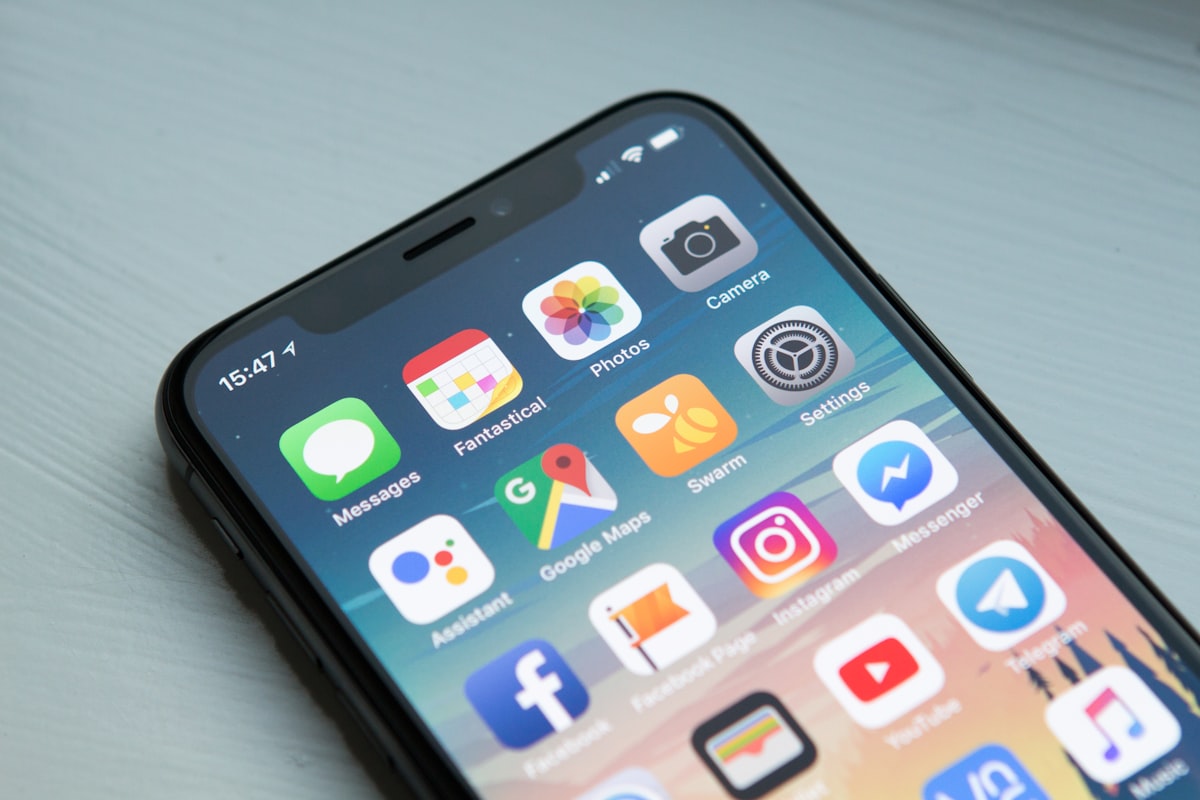
Home Hub is part of my Home Lab. It’s the app side of it. The Home Lab is the project: a Raspberry Pi running Home Assistant that controls the whole house. Home Hub is the interface that talks to that Raspberry Pi from your phone, so the house is controllable from anywhere.
What it does
- Finances & budgets: household money, tracked from one place
- Weekly menu: ask what to cook from what’s actually in the fridge, prioritized by expiry date
- Pet medication: log the dog’s meds fast, and never run out again
- Raspberry Pi controls: one tap to launch the game emulator, Kodi, or any app on the Raspi. Just scripts that open and close apps, so the living room needs no keyboard and mouse
Home Finances
Household money lives in a separate app on the Pi (home-finances — Next.js + SQLite): net worth, budget vs real, debts, CSV import, and open-banking sync. Bank connections today go through Enable Banking (PSD2 AIS) for CaixaBank and Wise; CSV remains the fallback. GoCardless was the earlier plan; same shape either way — provider → adapter → ImportTransaction[] → SQLite.
Hermes and Plaid — two layers, don’t conflate them
Hermes ships an optional MCP for Plaid (optional-mcps/plaid → https://api.dashboard.plaid.com/mcp/). That is Plaid’s Dashboard MCP: debug Items, Link analytics, usage metrics, list teams. It does not return balances or transactions. Connecting Hermes to that MCP does not replace asking home-finances (or a Transactions API) for “how much did I spend this month?”.
Separately, home-finances could swap Enable Banking for Plaid as the AIS provider (Link → Items → Transactions API → same SQLite). Plaid does list Spain and a Transactions product in Europe, but for this household Enable Banking / GoCardless-style PSD2 aggregators fit the ES banks we care about better, and the app is already wired that way. Either choice leaves home-finances as the source of truth (categories, budget, PnL, debts).
For Hermes to answer personal-finance questions it needs one of:
- An MCP/API over home-finances (enriched household data), or
- Custom tools that call Plaid’s Transactions API with Item
access_tokens — not the Dashboard MCP in Hermes’s catalog.
Where you can use it
- iPhone: the main app
- Apple Watch companion: quick glances and one-tap actions from your wrist
- Anywhere: reachable from outside the house over Tailscale, so Home Hub works away from home too
The hardware side
Home Hub talks to the same Raspberry Pi that runs Home Assistant (lights, plugs, AC, solar inverter). A small Waveshare ESP32 screen sits where the dog’s meds live for quick logging (the same data as the app, but faster when you’re standing right there). That little screen was also a prototype to test whether a bigger fixed display was worth it. It was: a few of them, actually.
Current status
In development. The app runs on the phone, connected to the Raspberry Pi.